Look into almost any serious workplace accident and you’ll often find the same uncomfortable detail: the hazard that caused it was already known. It was on the risk register. It had been identified, assessed, maybe even discussed in a meeting. And then nothing changed on the floor, and eventually it hurt someone. The problem isn’t usually that workplaces fail to identify hazards — it’s that identifying a hazard and actually acting on it are two different things. VR safety training for hazard awareness is built to catch the danger everybody already knew about before it turns into an accident.
Documented isn’t the same as defused
A hazard written on a register feels handled. It’s been spotted, categorised, given a risk rating. But a line in a document doesn’t stop an accident — a changed behaviour does. The dangerous space is the one between “we know about this” and “we actually do something about it every time we encounter it.” Workers walk past documented hazards constantly, not because they don’t know the danger exists, but because knowing it exists hasn’t translated into an automatic response.
Indonesia’s SMK3 framework, under PP 50/2012, builds hazard identification and control into the system precisely to force that translation. But the system can capture a hazard on paper far more easily than it can make a tired worker, mid-shift, actually stop and act on it. That last step — from awareness to action — is human, and it’s where the system most often quietly fails.
What VR trains
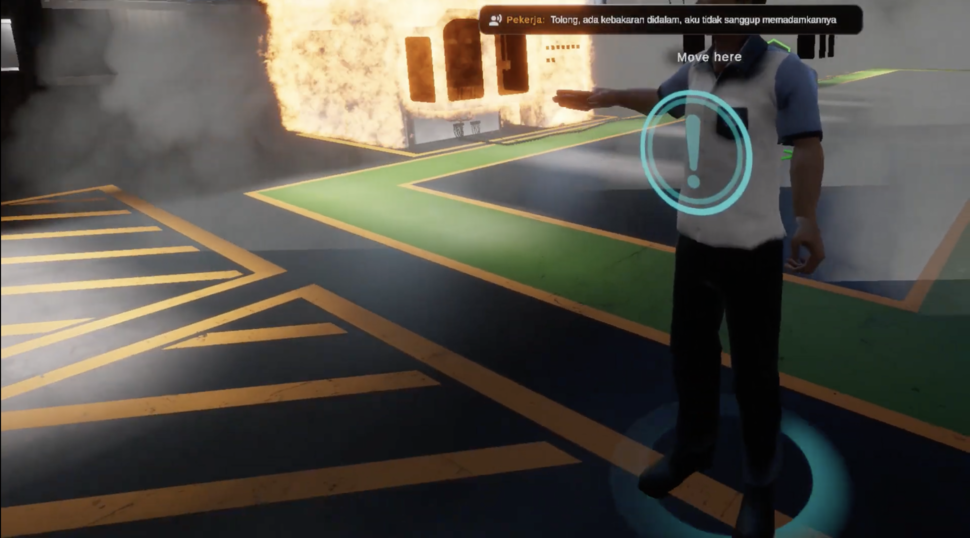
A VR scenario can place a worker in front of a known hazard and require a response, not just recognition. They encounter the documented danger in a realistic environment and have to act correctly — report it, control it, avoid it, or stop work — and experience the consequence when they treat it as “just something on the register” and carry on. The training targets the behaviour, not the knowledge.
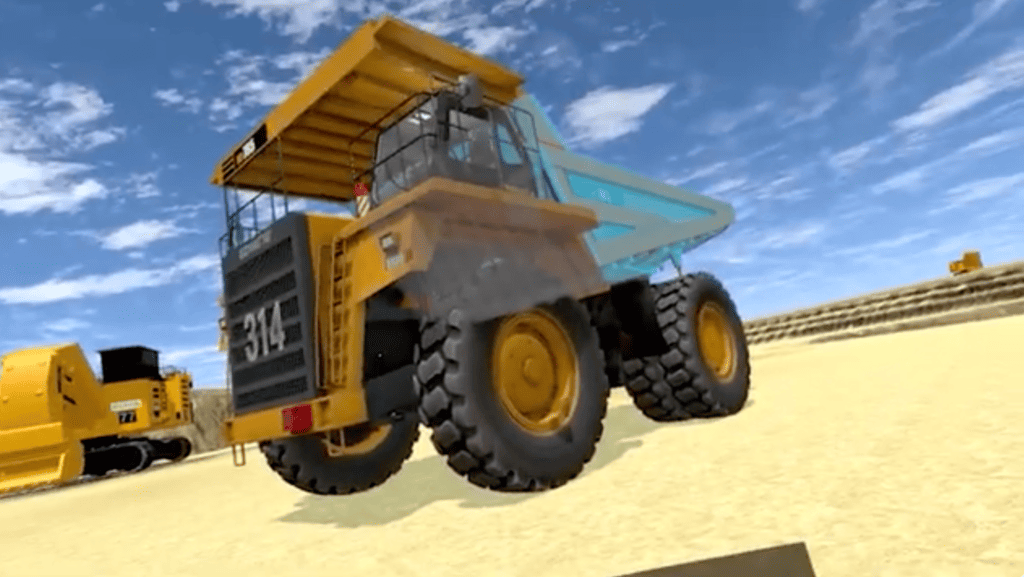
Indonesian developer VGLANT builds scenarios where hazards behave realistically, so a worker who ignores a documented danger sees it play out safely in VR. That consequence is what converts passive awareness into active response. Run a worker through the hazards from their own register and the document stops being a filed formality and becomes a set of behaviours they’ve actually rehearsed acting on.
From knowing to doing
The behaviour change is the whole point. It’s easy to make workers aware of hazards — a briefing does that. It’s hard to make them reliably act on that awareness when they’re busy, tired, and the hazard has been there for weeks without incident. Repetition in VR builds the automatic response: encounter the hazard, do the right thing, every time. That reflex is what finally makes the risk register more than paperwork.
The limit
VR doesn’t replace the hazard identification process, the inspections, or the engineering and procedural controls that real safety depends on. It won’t update your register or eliminate a hazard on its own. And a simulation can’t include every hazard a live site will produce.
But it solves the part that paperwork never could: converting a documented hazard into a trained response on the floor. For safety, the deadliest hazards are often the known ones nobody acted on — and closing the distance between identified and handled is exactly what VR is built to do.
The hazard that hurts someone is rarely a surprise. It’s usually the one everyone knew about and no one acted on. VR trains the acting.