HomeBisnisSmall Investment, Big Impact: 6 Reasons Jescherline Handmade Sandals Stand Out

Sandals are often underestimated in the world of fashion. Many people see them simply as house footwear, slipped on briefly and tucked away. Yet, in the past few years, the handmade sandals category has grown into a serious smart casual footwear option. Not the flip-flops you’d grab from a convenience store, but leather sandals crafted by hand by skilled artisans, made from premium materials and carrying a deeper philosophy.

Come to think of it, most of us actually spend more time in sandals than in shoes. At home, on errands, heading to the mosque, hanging out at a café in the afternoon, or even at casual meetings, sandals are usually the footwear we reach for most often. With this simple logic, it makes sense to invest in one truly quality pair instead of constantly cycling through cheap pairs that fall apart quickly. One local brand worth taking seriously in this segment is Jescherline, a Bandung-based label focused on minimalist handmade leather footwear. Here are 6 reasons why their products deserve to be considered a small investment with a big impact.

1. Each Pair Is Crafted by Human Hands, Not Machines

In the mass-market sandal industry, most of the work is done by machines. Leather patterns are cut by laser cutters, stitching is run through industrial sewing machines, and finishing is applied within minutes per pair. The result is uniform, but lacks character.

Handmade sandals operate on a different logic. From cutting the patterns, stitching the straps, to assembling the soles, every step involves the hands of experienced artisans. At Jescherline’s workshop in Bandung, this process is carried out using traditional leatherworking techniques passed down from one generation to the next. No two sandals are exactly identical, even when the model is the same. There are subtle differences in the leather’s character, stitch placement, and finishing details that give each pair its own story.

For most people, these small differences may sound trivial. But for those who appreciate the value of craftsmanship, that’s exactly where the appeal lies. You’re not just buying a product, but also someone’s time and skill.

2. The Materials Used Meet a Higher Standard

One reason handmade sandals are more valuable lies in the choice of materials. Mass-market brands typically use split leather or bonded leather, which is cheap but falls below standard. In contrast, premium handmade sandals use full-grain leather, the highest grade of leather with its natural surface layer intact.

Jescherline takes this approach seriously. They use full-depth leather processed through vegetable tanning, a method that uses tannins from plants and tree bark instead of harsh chemicals like chromium. The process is slower and more expensive, but it produces leather that’s healthier for the wearer and more environmentally friendly.

Beyond the main leather, Jescherline also incorporates suede in some of their models. The soft and velvety texture of suede provides a different dimension that synthetic leather simply can’t replicate. For daily wear in tropical climates, this kind of material combination contributes to long-term comfort.

3. Comfort That Improves Over Time

There’s a saying often quoted by leather goods enthusiasts: “Handmade leather only gets better with time.” The logic is simple. Machine-made shoes or sandals are at their peak on day one, and their quality slowly declines from there. Handmade sandals made with quality leather, however, actually grow more comfortable with continued use.

Full-grain leather will mold to the shape of its owner’s feet. Sandal straps that initially feel slightly stiff will soften and adjust accordingly. The leather footbed will form an imprint specific to your foot, creating a personal feel that mass-produced sandals can never offer. Some Jescherline sandal users describe the experience as near-barefoot comfort, a sensation similar to walking barefoot but with the structure and protection that proper footwear provides.

This kind of comfort doesn’t come instantly. It takes a break-in period, usually a few weeks of regular wear. But after that, the sandals you’ve been wearing will truly feel like your own, not just mass-produced products that happen to be on your feet. This is one side of the small investment whose impact only reveals itself after several months of use.

4. Thoughtfully Designed Details, Not Just Mass Output

Handmade sandals generally feature more contemplative design compared to factory-made products. Because they’re produced in small batches, brands like Jescherline have more room to focus on the small details that mass producers tend to overlook.

Some details commonly found in premium handmade sandals:

  • Leather edges that are painted and smoothed neatly, not just cut and left raw
  • Stitching with waxed thread that lasts longer than standard thread
  • Strap shapes designed to avoid chafing the skin
  • Footbeds with ergonomic contours to support the foot’s arch
  • Consistent leather color matching across pairs

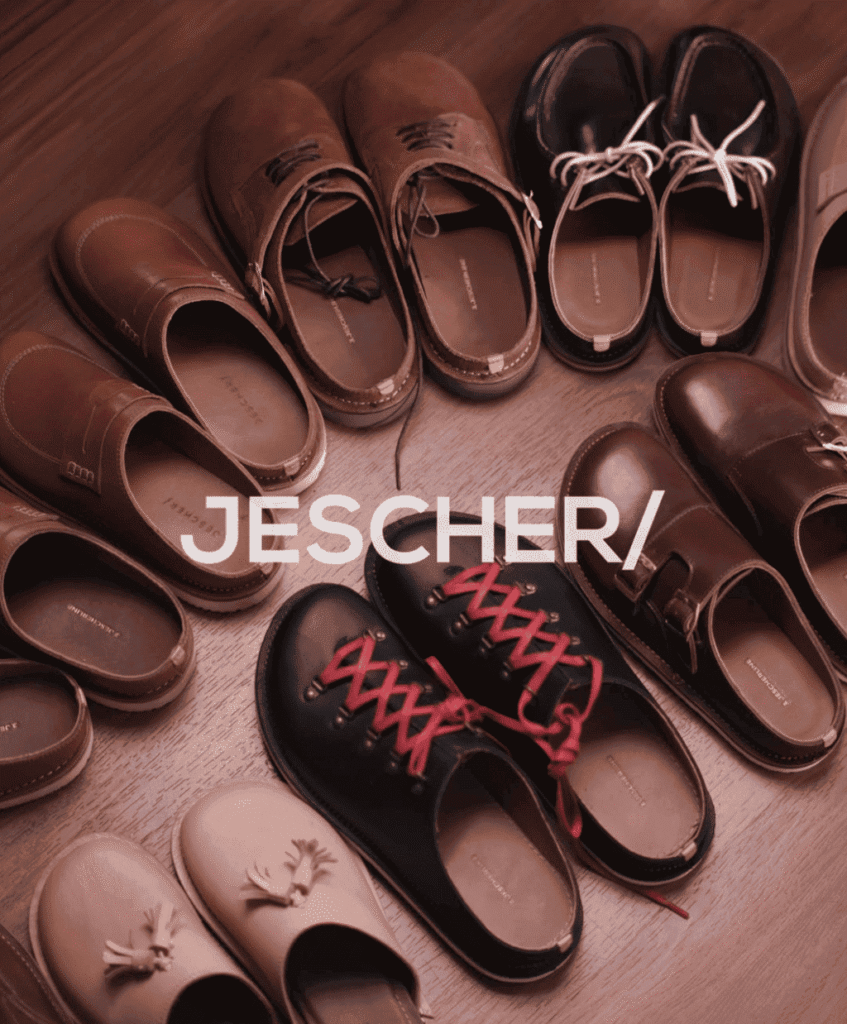
Jescherline performs well in this area. The BAFFARŌ Windsor Tan, for instance, features an elegant leather color with minimalist stitching details that aren’t overdone. Meanwhile, the ELEFANTE Black Ripple showcases a distinctive ripple sole that adds a modern touch without losing its classic character. Design choices like these place handmade sandals firmly within the smart casual footwear category, not merely seasonal footwear.

5. More Eco-Friendly and Ethical in Production

The fashion world has been under increasing scrutiny lately for its environmental impact. The mass-market footwear industry is well known for producing large amounts of chemical waste, particularly from the chrome leather tanning process. Add to that the leftover plastic and synthetic materials that are difficult to break down.

Handmade sandals produced with a sustainable philosophy tend to tell a different story. Jescherline, for example, consistently uses vegetable-tanned leather, a process that’s far more eco-friendly than chrome tanning. They also produce in small batches, not thousands of pairs a day, which keeps their waste output in check. Even their shipping packaging is made from biodegradable materials and reusable cloth bags.

From an ethical standpoint, handmade production usually involves artisans being paid more fairly than mass-production factory workers. You’re not just paying for a product, but also supporting the sustainability of the local craftsmanship ecosystem. For consumers who care about the footprint of what they consume, this dimension often carries significant weight.

6. Long-Term Financial Impact That Often Goes Underestimated

It might sound counterintuitive, but handmade sandals priced several times higher than mass-market ones can actually save you money in the long run. This is at the heart of the small investment with big impact concept over a longer time frame.

Mass-produced sandals usually last only a few months to a year before the straps snap, the sole detaches, or the leather cracks. Handmade sandals made from full-grain leather, with normal care, can last for years. Even when minor damage occurs, it can usually be repaired rather than discarded entirely.

If you calculate the cost per wear, a Jescherline sandal worn consistently for two full years actually works out to be much cheaper than three or four mass-market sandals that would need replacing in the same period. Add to that the comfort that actually improves over time, something that can’t be measured in numbers but is genuinely felt. This is the big impact that often goes unnoticed at the moment of purchase.

Choosing Your First Pair from Jescherline: Some Recommendations

For those new to handmade sandals and looking to enter through Jescherline, their collection is varied with different distinct characters. A few popular models that can serve as a starting point:

  • ARMADILLOS, a slip-on sandal with refined stitching and a sleek silhouette, ideal for flexible everyday wear
  • BAFFARŌ Windsor Tan, with warm leather tones and a contemporary classic design that exudes elegance
  • ELEFANTE Black Ripple, for those who appreciate modern detailing with its signature ripple sole
  • VIZILO Suede Tan, a softer choice with suede texture and a relaxed look

The distinct character of each model makes Jescherline suitable for various wear contexts, from relaxed weekends to semi-formal meetings. The key to choosing the right one is understanding your primary use context and how it pairs with the outfits already in your wardrobe.

Closing Thoughts: More Than Just Footwear

Handmade sandals aren’t just a fleeting fashion trend. They’re a subtle statement about how you choose to consume, how long you want a product to last, and how much you care about the story behind the things you wear. In that context, Jescherline offers a fairly complete package of quality materials, mature design, long-term comfort, and a sustainable production philosophy.

For those interested in viewing the collection in person, all Jescherline models are available on their official website at jescherline.com. Choosing the right pair often turns out to be a small investment with a big impact, whether on daily comfort, personal style, or the way you view the fashion products you consume.


Sandals are often underestimated in the world of fashion. Many people see them simply as house footwear, slipped on briefly and tucked away. Yet, in the past few years, the handmade sandals category has grown into a serious smart casual footwear option. Not the flip-flops you’d grab from a convenience store, but leather sandals crafted by hand by skilled artisans, made from premium materials and carrying a deeper philosophy.

Come to think of it, most of us actually spend more time in sandals than in shoes. At home, on errands, heading to the mosque, hanging out at a café in the afternoon, or even at casual meetings, sandals are usually the footwear we reach for most often. With this simple logic, it makes sense to invest in one truly quality pair instead of constantly cycling through cheap pairs that fall apart quickly. One local brand worth taking seriously in this segment is Jescherline, a Bandung-based label focused on minimalist handmade leather footwear. Here are 6 reasons why their products deserve to be considered a small investment with a big impact.

1. Each Pair Is Crafted by Human Hands, Not Machines

In the mass-market sandal industry, most of the work is done by machines. Leather patterns are cut by laser cutters, stitching is run through industrial sewing machines, and finishing is applied within minutes per pair. The result is uniform, but lacks character.

Handmade sandals operate on a different logic. From cutting the patterns, stitching the straps, to assembling the soles, every step involves the hands of experienced artisans. At Jescherline’s workshop in Bandung, this process is carried out using traditional leatherworking techniques passed down from one generation to the next. No two sandals are exactly identical, even when the model is the same. There are subtle differences in the leather’s character, stitch placement, and finishing details that give each pair its own story.

For most people, these small differences may sound trivial. But for those who appreciate the value of craftsmanship, that’s exactly where the appeal lies. You’re not just buying a product, but also someone’s time and skill.

2. The Materials Used Meet a Higher Standard

One reason handmade sandals are more valuable lies in the choice of materials. Mass-market brands typically use split leather or bonded leather, which is cheap but falls below standard. In contrast, premium handmade sandals use full-grain leather, the highest grade of leather with its natural surface layer intact.

Jescherline takes this approach seriously. They use full-depth leather processed through vegetable tanning, a method that uses tannins from plants and tree bark instead of harsh chemicals like chromium. The process is slower and more expensive, but it produces leather that’s healthier for the wearer and more environmentally friendly.

Beyond the main leather, Jescherline also incorporates suede in some of their models. The soft and velvety texture of suede provides a different dimension that synthetic leather simply can’t replicate. For daily wear in tropical climates, this kind of material combination contributes to long-term comfort.

3. Comfort That Improves Over Time

There’s a saying often quoted by leather goods enthusiasts: “Handmade leather only gets better with time.” The logic is simple. Machine-made shoes or sandals are at their peak on day one, and their quality slowly declines from there. Handmade sandals made with quality leather, however, actually grow more comfortable with continued use.

Full-grain leather will mold to the shape of its owner’s feet. Sandal straps that initially feel slightly stiff will soften and adjust accordingly. The leather footbed will form an imprint specific to your foot, creating a personal feel that mass-produced sandals can never offer. Some Jescherline sandal users describe the experience as near-barefoot comfort, a sensation similar to walking barefoot but with the structure and protection that proper footwear provides.

This kind of comfort doesn’t come instantly. It takes a break-in period, usually a few weeks of regular wear. But after that, the sandals you’ve been wearing will truly feel like your own, not just mass-produced products that happen to be on your feet. This is one side of the small investment whose impact only reveals itself after several months of use.

4. Thoughtfully Designed Details, Not Just Mass Output

Handmade sandals generally feature more contemplative design compared to factory-made products. Because they’re produced in small batches, brands like Jescherline have more room to focus on the small details that mass producers tend to overlook.

Some details commonly found in premium handmade sandals:

  • Leather edges that are painted and smoothed neatly, not just cut and left raw
  • Stitching with waxed thread that lasts longer than standard thread
  • Strap shapes designed to avoid chafing the skin
  • Footbeds with ergonomic contours to support the foot’s arch
  • Consistent leather color matching across pairs

Jescherline performs well in this area. The BAFFARŌ Windsor Tan, for instance, features an elegant leather color with minimalist stitching details that aren’t overdone. Meanwhile, the ELEFANTE Black Ripple showcases a distinctive ripple sole that adds a modern touch without losing its classic character. Design choices like these place handmade sandals firmly within the smart casual footwear category, not merely seasonal footwear.

5. More Eco-Friendly and Ethical in Production

The fashion world has been under increasing scrutiny lately for its environmental impact. The mass-market footwear industry is well known for producing large amounts of chemical waste, particularly from the chrome leather tanning process. Add to that the leftover plastic and synthetic materials that are difficult to break down.

Handmade sandals produced with a sustainable philosophy tend to tell a different story. Jescherline, for example, consistently uses vegetable-tanned leather, a process that’s far more eco-friendly than chrome tanning. They also produce in small batches, not thousands of pairs a day, which keeps their waste output in check. Even their shipping packaging is made from biodegradable materials and reusable cloth bags.

From an ethical standpoint, handmade production usually involves artisans being paid more fairly than mass-production factory workers. You’re not just paying for a product, but also supporting the sustainability of the local craftsmanship ecosystem. For consumers who care about the footprint of what they consume, this dimension often carries significant weight.

6. Long-Term Financial Impact That Often Goes Underestimated

It might sound counterintuitive, but handmade sandals priced several times higher than mass-market ones can actually save you money in the long run. This is at the heart of the small investment with big impact concept over a longer time frame.

Mass-produced sandals usually last only a few months to a year before the straps snap, the sole detaches, or the leather cracks. Handmade sandals made from full-grain leather, with normal care, can last for years. Even when minor damage occurs, it can usually be repaired rather than discarded entirely.

If you calculate the cost per wear, a Jescherline sandal worn consistently for two full years actually works out to be much cheaper than three or four mass-market sandals that would need replacing in the same period. Add to that the comfort that actually improves over time, something that can’t be measured in numbers but is genuinely felt. This is the big impact that often goes unnoticed at the moment of purchase.

Choosing Your First Pair from Jescherline: Some Recommendations

For those new to handmade sandals and looking to enter through Jescherline, their collection is varied with different distinct characters. A few popular models that can serve as a starting point:

  • ARMADILLOS, a slip-on sandal with refined stitching and a sleek silhouette, ideal for flexible everyday wear
  • BAFFARŌ Windsor Tan, with warm leather tones and a contemporary classic design that exudes elegance
  • ELEFANTE Black Ripple, for those who appreciate modern detailing with its signature ripple sole
  • VIZILO Suede Tan, a softer choice with suede texture and a relaxed look

The distinct character of each model makes Jescherline suitable for various wear contexts, from relaxed weekends to semi-formal meetings. The key to choosing the right one is understanding your primary use context and how it pairs with the outfits already in your wardrobe.

Closing Thoughts: More Than Just Footwear

Handmade sandals aren’t just a fleeting fashion trend. They’re a subtle statement about how you choose to consume, how long you want a product to last, and how much you care about the story behind the things you wear. In that context, Jescherline offers a fairly complete package of quality materials, mature design, long-term comfort, and a sustainable production philosophy.

For those interested in viewing the collection in person, all Jescherline models are available on their official website at jescherline.com. Choosing the right pair often turns out to be a small investment with a big impact, whether on daily comfort, personal style, or the way you view the fashion products you consume.

Related Post

Scroll to Top